
VALLEY UNIVERSITY OF SCIENCE AND TECHNOLOGY (VUST)
THE FACULTY OF SCIENCE, TECHNOLOGY AND INNOVATIONS (FSTI) STUDENTS ASSEMBLY
OVERVIEW
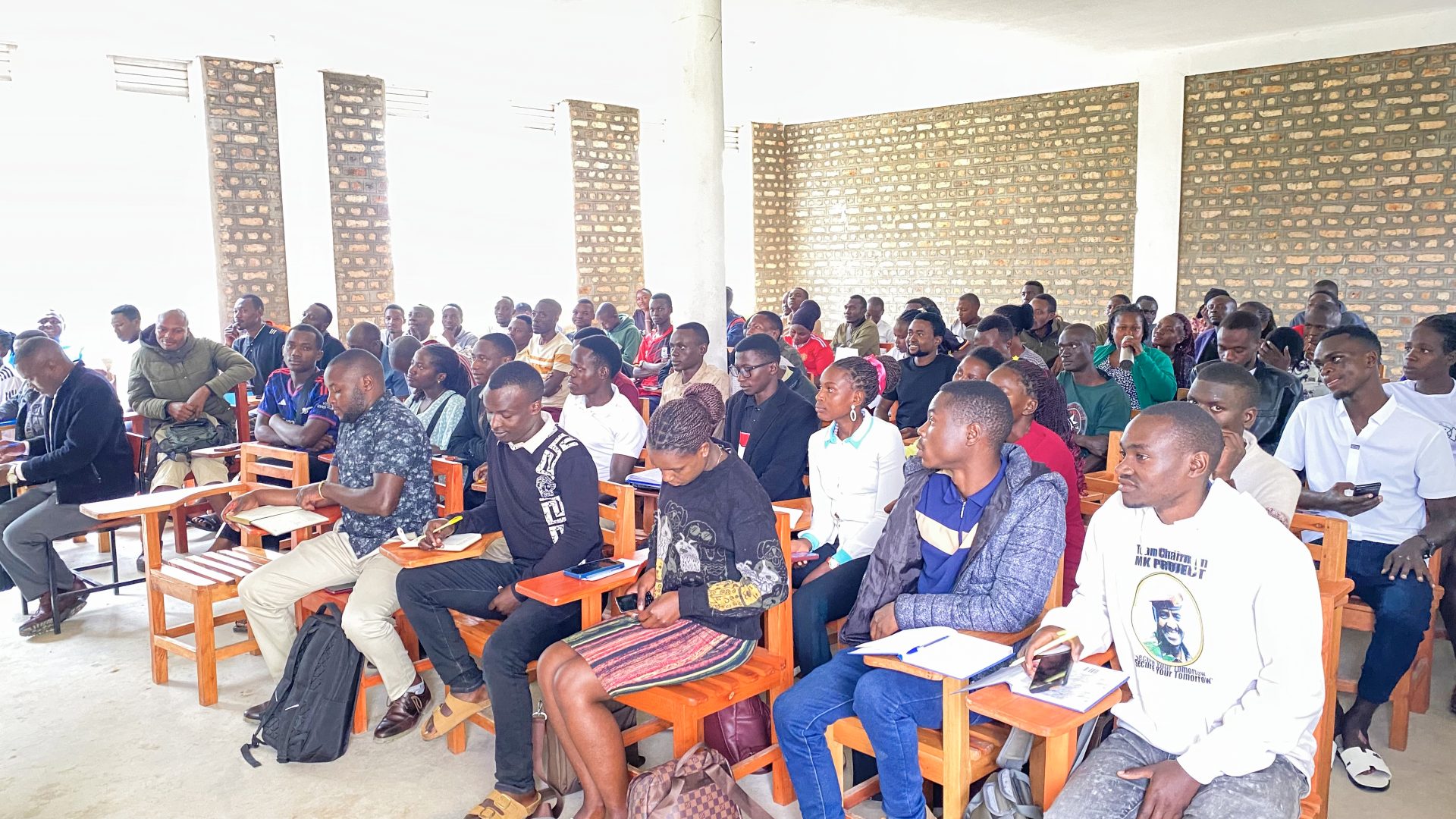
Venue: University Main Hall, Bushenyi Campus
Date: March 7th, 2026 (Convened following the VC’s Semester Address)
Chairperson: Dean, Faculty of Science, Technology and Innovations
Attendance: Faculty Staff, Student Guild Representatives, and Students of FSTI
THEME: Aligning Science and Technology for Self-Reliance and Global Competitiveness.
- INTRODUCTION
Following the recent attainment of a University Charter in July 2025 and the successful 6th Graduation Ceremony in January 2026, the Faculty of Science, Technology and Innovations (FSTI) held a strategic assembly to align students with the university’s mission of “Education for Self-Reliance.” On the morning of March 7, 2026, the Faculty of Science, Technology and Innovations (FSTI) convened a mandatory general assembly for all students. The meeting aimed to sensitize students on the evolving academic landscape in Uganda, integrate digital efficiency into their learning, and provide a roadmap for professional success in a competitive global market.
- PROCEEDINGS AND KEY THEMATIC AREAS
2.1. The Transition to Competency-Based Curriculum (CBC)
The Dean of Faculty opened the session by discussing the impact of the Competency-Based Curriculum (CBC). With CBC-trained students now entering the higher education ecosystem, the faculty emphasized a shift in pedagogy:
Skill Acquisition. Students were urged to focus on what they can do rather than what they can memorize.
Assessment. The faculty announced a move toward more practical project-based assessments, ensuring that 60% of grading in science units is derived from hands-on laboratory or field performance.
2.2. Digital Management Approach
To streamline academic operations, the Faculty ICT Coordinator introduced the “Enhanced Digital Management Approach”:
- Student Portals. Students were sensitized on the full utilization of the University Management System for registration, tracking results, and financial clearances.
- Paperless Learning. The faculty encouraged the adoption of the E-learning platform for submission of assignments and accessing research journals, reducing the reliance on physical handouts.
2.3. Agriculture as a Science and Business
Reflecting VUST’s commitment to rural transformation, the assembly addressed the modernization of agriculture:
- Agri-Tech. Students were encouraged to develop tech solutions for local farmers, such as soil testing sensors and market-linkage apps.
- Value Addition. The discussion focused on shifting from subsistence farming to industrial-scale agricultural science to ensure food security and income generation.
2.4. Fostering a Culture of Innovation
The assembly served as a launchpad for the “VUST Innovation Hub,” an initiative designed to support student-led prototypes in renewable energy, waste management, and software development and bridge the gap between classroom theory and community-based technological solutions.
2.5. Networking and Strategic Partnerships
A seasoned industry professional, highlighted that “your network is your net worth”:
Professional Bodies. Students were advised to register with professional associations (e.g., ICT associations, Agricultural societies) while still in school.
Peer Collaboration. Emphasis was placed on inter-departmental networking where Information Technology students collaborate with Agribusiness students to create holistic solutions.
2.6. Positioning Yourself for Employment
A career guidance session focused on making students “market-ready”:
- The “Job Creator” Mindset. Students were challenged to use their scientific skills to start small-scale enterprises rather than waiting for formal employment.
- Soft Skills. Communication, emotional intelligence, and professional ethics were identified as the leading factors in retaining a job.
- Digital Branding. Students were taught how to use platforms like LinkedIn to showcase their technical projects to potential global employers.
2.8. Digital Management Approach
To improve efficiency and transparency, the faculty introduced a refined Digital Management Approach for the 2026 academic year:
- E-Learning Portals: Strengthening the use of the university’s e-learning platform for course content delivery and student-lecturer interaction.
- Portal Results Management: Students were sensitized on the new automated results management system to ensure timely access to academic records and feedback.
- Smart Campus Initiative: Plans were shared to increase campus-wide connectivity to support ICT students in their coding and system-building projects.
2.9. Innovations in Agriculture & Rural Transformation
Agriculture remains a cornerstone of the FSTI, particularly through the Bachelor of Agribusiness Management. The assembly highlighted:
- Climate-Smart Farming. Encouraging students to lead research in climate-resilient agriculture to help local farmers in the Bushenyi region.
- Demonstration Farms. Utilizing the Mukaira Foundation’s agricultural assets for hands-on training in dairy management and vineyard technology.
- Value Addition. Promoting student-led innovations in food processing and sustainable agribusiness ventures.
2. 10. Networking & Professional Benchmarking
The assembly (Mr.Cliff) underscored that “Science without Networking is Stagnant.” Resolutions included:
- Industry Linkages: Facilitating internships and benchmarking visits to leading tech hubs and agricultural research institutes.
- Guest Lecture Series: Inviting industry experts to share practical insights into emerging fields like AI, Data Science, and Renewable Energy.
- Collaborative Hackathons: Encouraging ICT and Science students to participate in national and regional innovation challenges to build professional networks.
 2.11. Dynamic Research Approaches
The faculty is moving away from static, library-based research toward Dynamic Research Approaches:
- Community-Responsive Research: Thesis and projects must now address a specific social or industrial gap in the Western Uganda region.
- Interdisciplinary Research: Encouraging ICT students to collaborate with Agriculture and Business students to create holistic solutions (e.g., developing apps for local farmers).
- Early Research Engagement: Introducing research methodology earlier in the curriculum to foster a culture of inquiry from the first year.
3. RESOLUTIONS AND WAY FORWARD
Mandatory Digital Literacy. All first-year students in the faculty must complete the basic e-learning orientation by the end of March 2026.
Student Innovation Hub. The faculty will designate a “Creative Corner” for students to collaborate on tech and science prototypes outside formal classroom hours.
Mentorship Program. Faculty staff will pair with student leaders to offer career-path guidance aligned with the new CBC requirements.
4. CONCLUSION
The FSTI Students Assembly served as a vital roadmap for the 2026 academic year. By embracing CBC, digitalization, and a modernized research culture, the faculty is positioning its students to not only seek jobs but to become “drivers of innovation” and “job creators” in the global science and technology landscape.
Report Compiled By
Steven Sseruma
Valley University of Science and Technology
March 2026